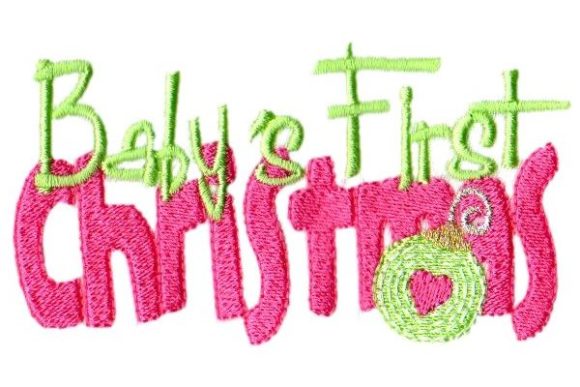
Baby’s 1st Christmas Ornament
First Impressions: A Festive Embroidery Design
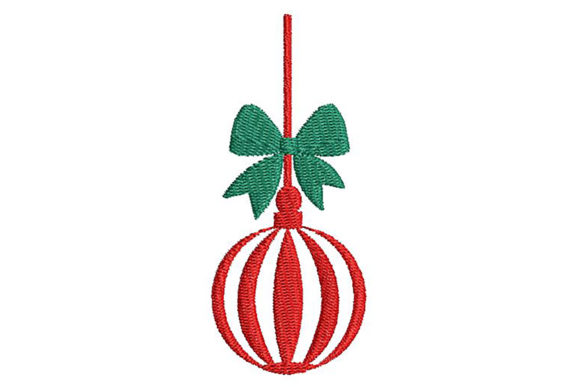
Baby’s 1st Christmas Ornament immediately caught my eye with its warm, nostalgic charm. The design is rich in holiday spirit, featuring a classic ornament with a baby’s name and a star motif. The visual mood is cozy and festive, making it ideal for seasonal projects. The detail level is impressive, with intricate stitching that adds depth to the overall look. This embroidery file feels like a perfect fit for handmade gifts and custom apparel, especially those aimed at new parents.
Design Personality and Decorative Appeal
The stitching personality of Baby’s 1st Christmas Ornament is gentle yet detailed, creating a soft, textured feel. It blends satin stitch with fill stitch techniques to bring out the ornament’s three-dimensional effect. The decorative appeal is strong, especially when used on items like pillow covers or nursery decor. The design has a timeless quality that can be adapted to various color schemes, making it versatile for different markets.
What stands out is the balance between simplicity and complexity. While the design isn’t overly busy, it still manages to convey a sense of celebration and tradition. This makes it an excellent choice for both beginners and experienced embroiderers looking for a meaningful project.
Practical Use in Real Projects
Baby’s 1st Christmas Ornament is well-suited for a range of real-world applications. I’ve considered using it on tote bags, sweatshirts, aprons, and even baby blankets. The design works particularly well on fabric items that require a subtle yet impactful touch, such as kitchen towels and cap designs. Its size and layout make it ideal for small hoop sizes, which is great for commercial embroidery setups.
For personalized gifts, this design could be used on embroidered patches or as a custom apparel piece. The ability to personalize the baby’s name adds a unique value to each finished product. It also fits well into Etsy listings and craft fair products, where personalization is key to standing out in a competitive market.
Performance in Embroidery Work
When testing Baby’s 1st Christmas Ornament on scrap fabric, the design performed well. The stitch density is moderate, allowing for smooth stitching without excessive tension. However, the dense areas around the star and text may require careful handling, especially on stretchy or textured fabrics. Using the right stabilizer is crucial here to maintain the integrity of the design during stitching.
On dark fabrics, the thread color contrast becomes more important. I recommend checking printable mockups to ensure the design remains visible and appealing. For light-colored fabrics, the design maintains its vibrancy, but some adjustments in thread color might be necessary to enhance visibility.
Curved surfaces like caps present a slight challenge, but with proper planning and stabilizer use, the design can be successfully applied. The layered details add depth, but they also require attention to stitch order and alignment to avoid any misalignment during embroidery.
Affecting Product Value and Brand Consistency
Baby’s 1st Christmas Ornament can significantly affect the perceived value of a handmade product. Its festive theme and thoughtful design elements contribute to a higher perceived quality, which is essential for building buyer trust. When used consistently across multiple products, it helps establish brand consistency, especially for businesses focused on seasonal themes.
The design’s appeal extends beyond just aesthetics. It enhances the giftability of a product, making it more likely to be chosen by customers looking for meaningful, handcrafted items. Whether used as a personalized gift or part of a boutique merchandise line, this design adds emotional value to the final product.
Embroidery Notes for Success
Before using Baby’s 1st Christmas Ornament, I recommend testing it on scrap fabric to assess stitch density and overall performance. Checking thread color contrast against different fabric types is also essential to ensure visibility and aesthetic appeal.
Confirming the hoop size and reviewing the design assets on Creative Fabrica’s product page is crucial before proceeding with large-scale production. Proper stabilizer use will help maintain the design’s shape, especially on stretchy or textured fabrics. After stitching, inspecting small details ensures the final product meets high standards.
Finally, always verify licensing terms and file formats to ensure compliance with Creative Fabrica’s policies. This step is vital for anyone planning to sell finished products commercially.